April is widely recognized as autism awareness month, a time dedicated to increasing understanding of autism and sharing resources with the broader community. In 2026, the conversation continues to evolve as more organizations and advocates now recognize Autism Acceptance Month as the standard. This change in 2021 shifted the focus from simply knowing about autism to actively creating inclusive environments.
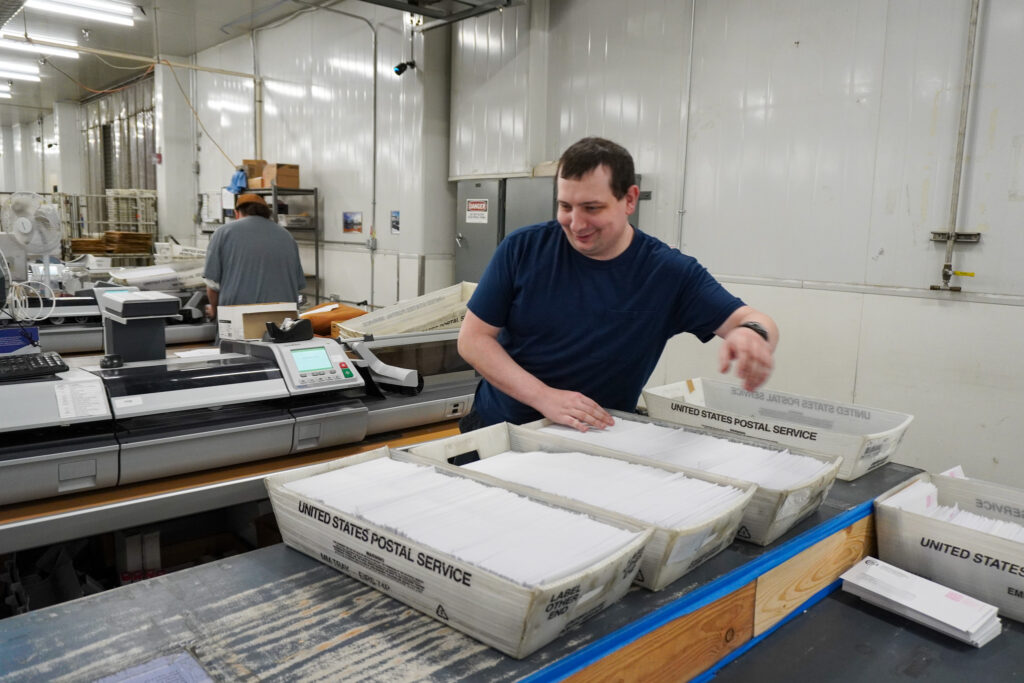
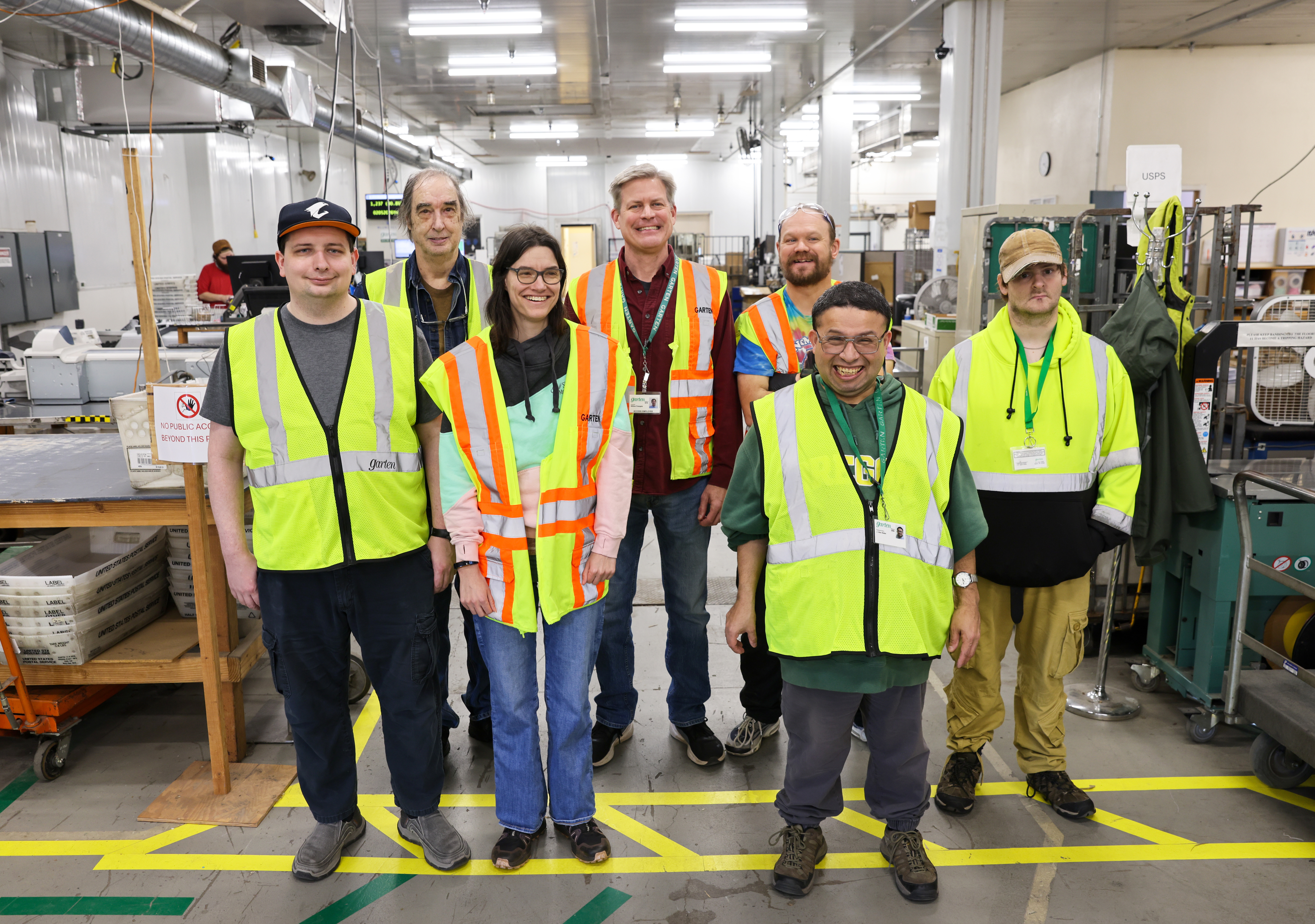
The deeper truth is acceptance is not passive. It shows up in real opportunities, real support, and real inclusion. At Garten, that belief is central to our mission. We don’t just talk about inclusion. We create it by employing individuals with disabilities and building pathways to meaningful work.
What Autism Acceptance Really Means
While autism awareness plays an important role in education, it often stops at recognition.
Autism acceptance, on the other hand, emphasizes respect, inclusion, and the understanding that autism is part of human diversity.
Part of understanding the autism spectrum means recognizing that no two individuals are the same. Autism is not a single experience. It is a range of strengths, challenges, and perspectives that vary from person to person. This is why terms like autism spectrum awareness have become more prominent. They reflect the need for a more nuanced and individualized understanding.
Why Employment Matters
One of the most impactful ways to turn acceptance into action is through employment.
Conversations around autism employment and “autism at work” are becoming more common, but significant barriers still exist. Why is this the case?
Many individuals with autism face high rates of unemployment or underemployment, not because of a lack of ability, but because of barriers within traditional hiring practices and workplace environments. These barriers can include rigid interview processes, lack of accommodations, or misconceptions about what these individuals can contribute.
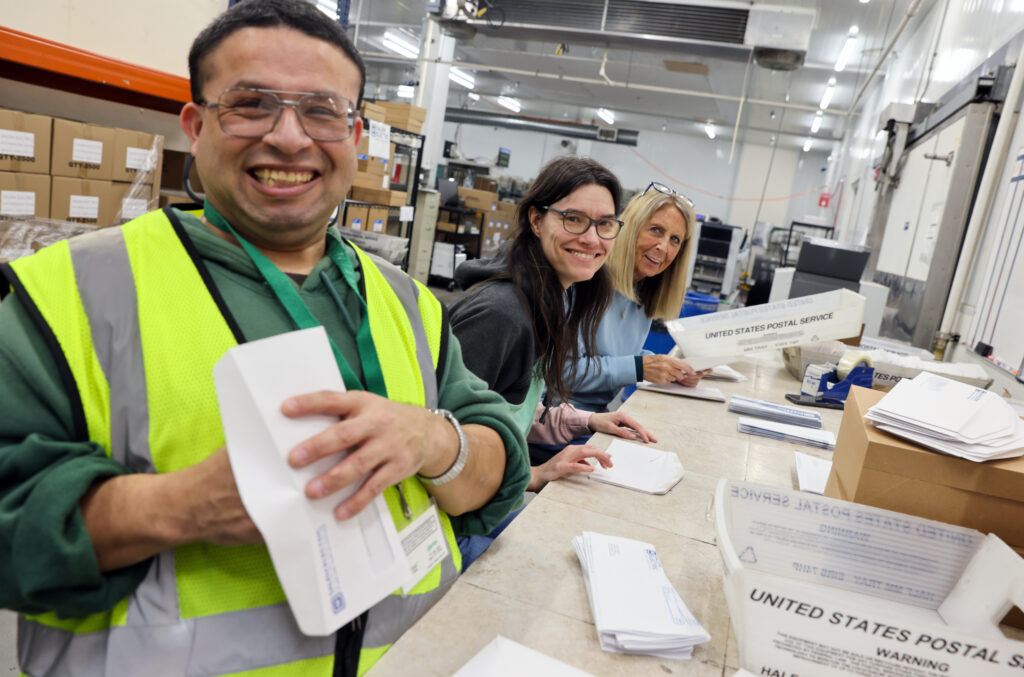
At Garten, we’ve seen firsthand how meaningful employment can transform lives. Access to work is more than a paycheck. It builds independence, confidence, and a sense of belonging. It creates opportunities for individuals to contribute their skills and be recognized for their value to their community.

Strengths and Misconceptions
Despite growing awareness, misconceptions about autism still persist. These misunderstandings ultimately create barriers to inclusion and opportunity.
In reality, autism is diverse, and so are the strengths that come with it. Many bring exceptional focus, attention to detail, reliability, and innovative problem-solving skills to the workplace. These qualities are valuable across a wide range of industries.
Shifting the conversation toward autism inclusion means recognizing these strengths and moving away from deficit-based thinking. It requires seeing individuals not for what they lack, but for what they bring to the table.
Building a More Inclusive Future
While Autism Acceptance Month brings important attention to these issues, true inclusion must extend beyond April. Building a more inclusive future requires ongoing effort from local employers, organizations, and communities.
This means rethinking hiring practices, creating more accessible workplaces, and continuing to elevate autistic voices in conversations about inclusion. It also means recognizing that acceptance is a continuous commitment. We always need to be evolving our business practices.
By investing in autism advocacy and inclusive practices, we can create environments where everyone has the opportunity to contribute and succeed.
Taking The Proper Next Steps
At its core, Autism Acceptance Month is about action. It is about creating opportunities where they did not exist before.
At Garten, we believe that acceptance looks like opportunity. Meaningful employment looks different for everyone, and we always strive to go the extra mile to meet people where they are at.
If you’re looking to learn more about our supported employment services, explore available resources in the Salem Community, or support inclusive employment, we invite you to connect with us. Together, we can continue building a community where everyone has the opportunity to thrive.
An employee with autism at Garten chose not to be quoted directly in this blog, but asked that the following message be shared:
If you need help, ask for it. If you see someone who needs help, speak up. Small moments of support can make a meaningful difference in someone’s day. Creating a workplace where people look out for one another helps everyone feel seen, valued, and included. That’s the first step.
FAQ:
What is Autism Acceptance Month?
Autism Acceptance Month, observed in April, focuses on promoting inclusion, understanding, and respect for individuals on the autism spectrum. It builds on awareness by encouraging meaningful action that supports autistic individuals in everyday life.
How is autism acceptance different from autism awareness?
Awareness is about recognizing and understanding autism. Acceptance goes further by actively creating inclusive environments, addressing barriers, and ensuring individuals with autism have equal opportunities to participate and succeed.
Why is employment important in autism acceptance?
Employment provides more than income. It supports independence, builds confidence, and creates a sense of belonging. Inclusive workplaces also benefit by gaining diverse perspectives, strong attention to detail, and unique problem-solving skills.
What are common barriers individuals with autism face in the workplace?
Barriers can include traditional interview processes, lack of workplace accommodations, limited understanding of autism, and misconceptions about abilities. Addressing these barriers is key to creating inclusive opportunities.
How can individuals and organizations support autism acceptance?
Support can take many forms, including educating yourself, advocating for inclusive hiring practices, creating accessible environments, and listening to autistic voices. Small, intentional actions can lead to meaningful change.